


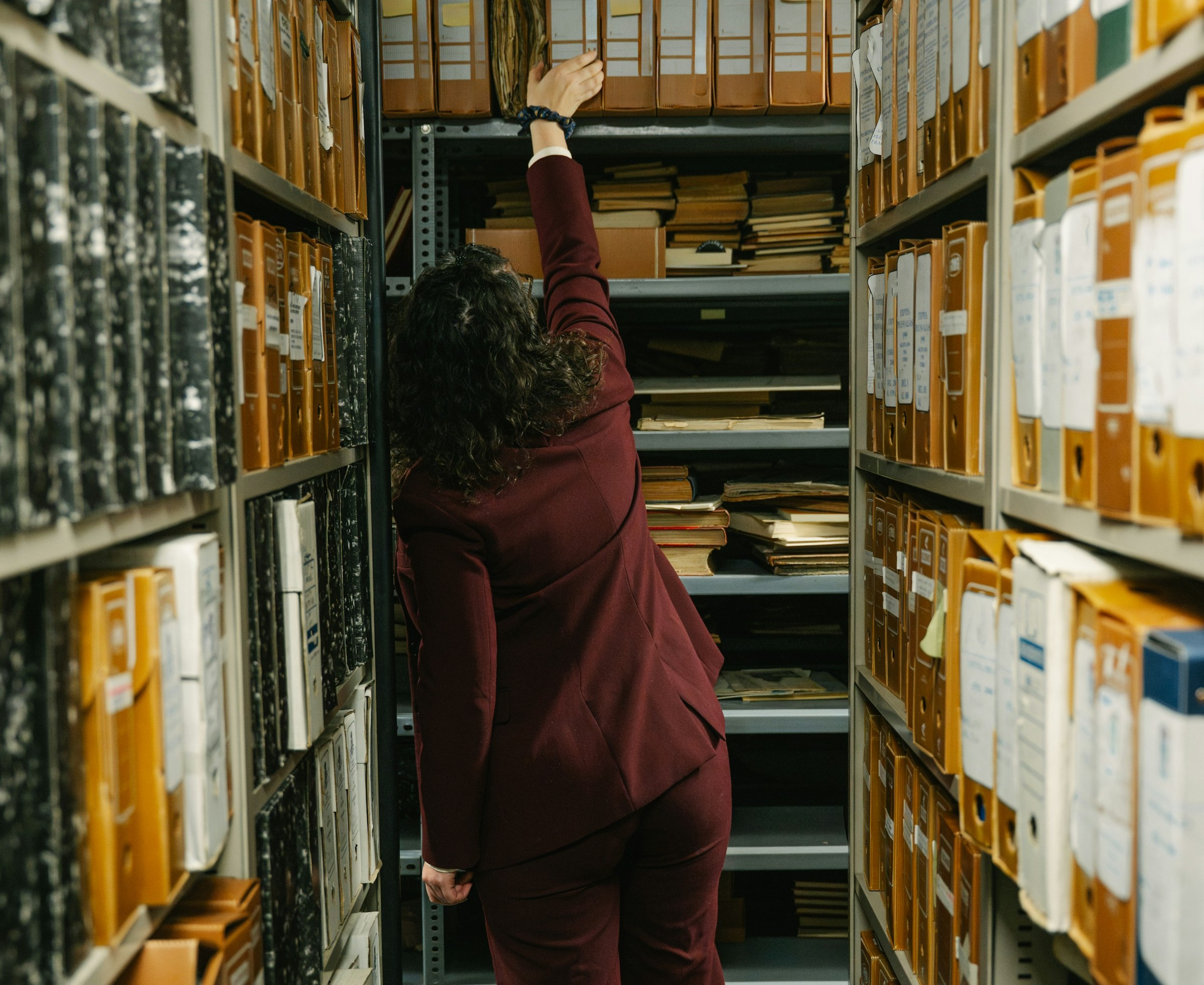
The Cayman Islands National Archive has published a 2026 scheme explaining how the public can access government records and administrative information without submitting formal written requests.
The publication sets out the archive’s obligations under the Freedom of Information Act and identifies the types of information it makes routinely available.
These include details of its operations, governance, registers and services.
The archive said it aims to promote transparency and public participation by publishing information proactively and reviewing the material available under the scheme.
Not all records are available for public access.
The archive may withhold draft documents, records it no longer holds, material that is difficult to retrieve and information exempt from disclosure under the Freedom of Information Act or protected by other legislation.
Restrictions may apply to personal information and commercially sensitive material.
Where practical, the archive may release documents with exempt information redacted and explain why the material was withheld.
How to access records
Members of the public can request information online at https://gov.ky/web/cina/home, by email, telephone, post or in person.
The Archive’s Reading Room at 37 Archive Lane in George Town is open on Wednesdays, Thursdays and Fridays from 9am to 4:30pm, with appointments recommended.
Requests can be sent to foi.cna@gov.ky or cina@gov.ky, or made by telephone at (345) 949-9809.
Information published online or downloaded from a government website is free. However, reproduction fees may apply to paper copies and scanned PDF files.
Black-and-white copies cost 25 cents per letter- or legal-sized page and 50 cents per ledger-sized page.
Colour copies cost 50 cents per letter- or legal-sized page and CI$1 per ledger-sized page.
PDF files are charged at the standard black-and-white rate regardless of whether they contain colour. Postage and courier costs are passed on to requesters.
Requests for information not covered by the scheme must be submitted to the information manager and will be considered under the Freedom of Information Act.
Government records and oversight
Beyond providing access to historical collections, the archive manages government records throughout their lifecycle, from creation to disposal or permanent preservation.
Its three main operational sections cover administration, archive and preservation management, and records and information management.
The publication also outlines the role of the Records Advisory Committee, which advises Cabinet on records disposal schedules, restrictions on public access and the disposal of public records.
The committee must meet at least twice a year, and its meetings are closed to the public.
The scheme includes a register of public authorities, a fixed asset register and a log of Freedom of Information requests.
The disclosure log records request outcomes, including cases granted in full, transferred to another authority or closed because no records were found.
The archive also provides government agencies with guidance and training on records management.
