


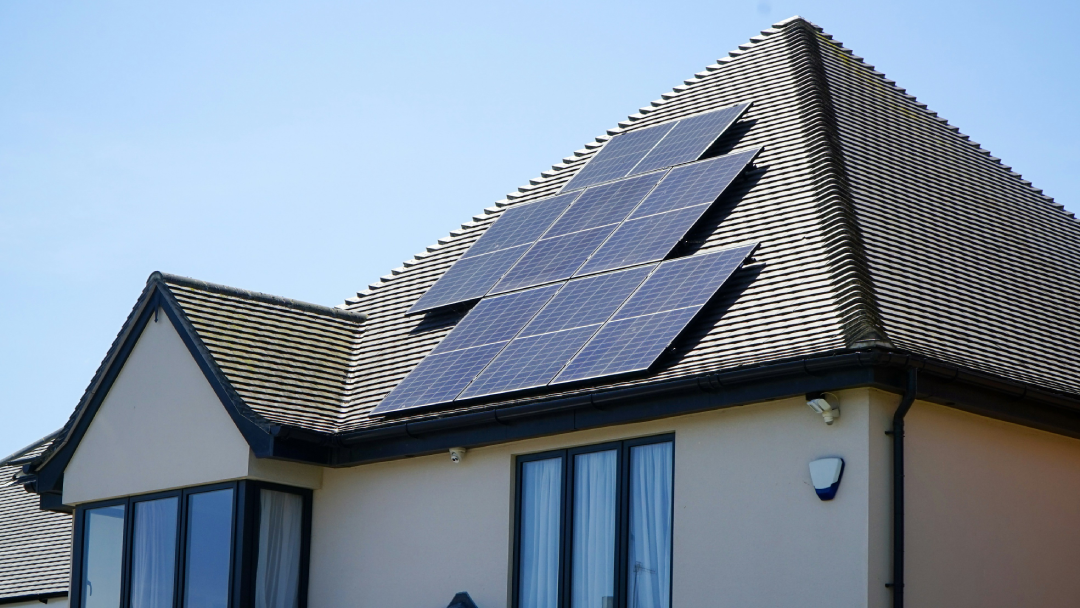
The Cayman Islands utility regulator has issued new guidance confirming that residents can install solar panels and battery storage systems for their own use without joining electricity export programmes, as long as no power is sent back to the grid.
The Utility Regulation and Competition Office (URCO) published a regulatory statement and consumer guide on 19 June clarifying how existing laws apply to self-consumption energy systems.
The guidance covers solar and battery installations used solely on-site and configured so that electricity is not exported through the transmission and distribution networks operated by Caribbean Utilities Company (CUC) in Grand Cayman or Island Energy in the Sister Islands.
URCO said the publication does not introduce any new rights, obligations or regulatory requirements. Instead, it sets out how current legislation applies to consumers generating electricity for their own use.
The regulator said it issued the guidance following requests from consumers, installers and other stakeholders seeking clarity on the legal framework governing self-consumption systems.
The statement follows a review launched in May after URCO received enquiries about rooftop solar installations and customer communications issued by CUC.
At the time, homeowners, installers and a public petition raised questions about approval requirements for certain solar and battery systems and called for greater clarity on the respective roles of the utility, regulator and government agencies.
According to URCO, Cayman law permits consumers to generate electricity for their own use without obtaining a licence, provided the activity is not carried out “for reward”.
The regulator said customers operating non-export systems are not required to enrol in CUC’s Consumer-Owned Renewable Energy or Distributed Energy Resources programmes, which are intended for customers who export electricity to the grid.
“The statement does not create anything new,” interim chief executive officer Sonji Myles said in a press release.
“It confirms the existing legal position, supports consumer protection, and highlights that self-consumption and energy efficiency are expected parts of a cleaner and more resilient energy future for Cayman.”
URCO chair Samuel ‘Sammy’ Jackson said the statement was intended to provide certainty for consumers, installers and licensees by explaining what existing laws already allow.
The regulator said consumers may install fully off-grid systems, systems that are physically isolated from the grid during operation, or systems that operate alongside the grid using controls that prevent electricity exports.
URCO said non-export self-consumers should continue to be billed under standard electricity tariffs for power taken from the grid and that no separate standby charge currently applies to such customers.
Consumers must still comply with applicable safety requirements, use certified equipment, notify CUC of installations and ensure systems cannot export electricity.
Systems operating in parallel with the grid must also comply with the transmission and distribution connection code and receive permission to operate before being energised.
