


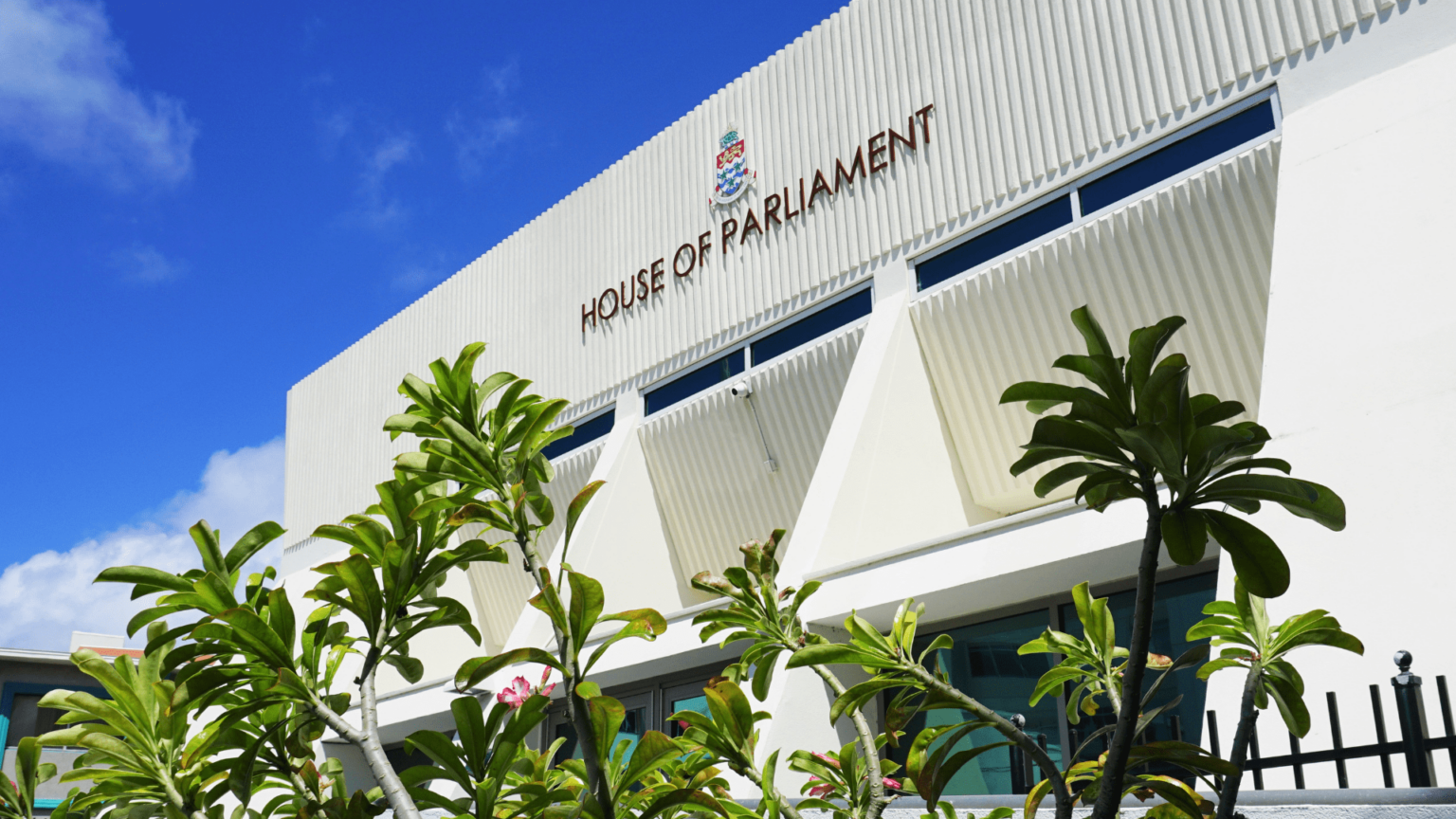
The recently concluded budget debate for 2026-2027 represented a significant moment for the Cayman Islands – a two-year spending plan allocating CI$1.2 billion for 2026 and $1.29 billion for 2027.
Yet the debate left many questions unanswered about individual ministry plans and priorities.
Of seven Cabinet ministers, only three addressed the Parliament of the Cayman Islands during the debate – Premier Andre Ebanks, finance minister Rolston Anglin and home affairs minister Nickolas DaCosta.
This meant five ministers did not present their portfolio plans, while three additional government members did not speak to constituency matters.
This absence of detail is particularly notable given the government’s emphasis on transparency, a term or variation of that word, that appeared nine times in the National Coalition for Caymanians’ 100-day report and nine times in the premier’s manifesto.
A transparent budget process would typically include each minister explaining their spending priorities and implementation plans.
The budget introduces $172 million in new revenue measures over two years through increased fees on financial services, immigration, real estate transfers and business licences.
However, specific details about these increases remain unpublished, making it difficult for businesses and individuals to plan accordingly.
Key policy areas that would have benefited from ministerial presentations include:
- Health: With insurance costs consuming significant portions of minimum wage earnings, residents would value hearing detailed plans for addressing affordability and access to care
- Education: Parents and educators seek information about classroom capacity, teacher recruitment and curriculum development
- Environment: The status of waste management solutions and the George Town landfill remains a pressing concern requiring clear communication about next steps
- Housing: With more than 1,100 families on waiting lists, the $15 million housing allocation warrants explanation of distribution plans and partnership strategies
- Tourism: Industry stakeholders need projections and support strategies as the sector navigates global competition
Budget debates serve an important function beyond approval of spending. They allow government to build public confidence by demonstrating how tax revenues will translate into improved services and infrastructure.
When this communication is limited, it becomes harder for citizens to understand government priorities and measure progress.
The two-year budget format makes detailed explanation even more important.
Unlike annual budgets that allow for yearly adjustments and clarifications, this plan sets direction through 2027. Citizens and businesses need sufficient information to make their own long-term decisions.
The government has indicated commitment to transparency and accountability.
Fuller participation in budget debates would demonstrate these values in practice, ensuring that all stakeholders, parliamentarians, businesses and citizens, have the information needed to engage constructively with government plans.
As the Cayman Islands navigates economic challenges and opportunities, clear communication about government spending becomes increasingly vital.
The budget affects every resident, from minimum wage workers managing rising costs to businesses planning investments.
They deserve comprehensive explanation of how $2.49 billion will be invested in their future.
One hopes all ministers will use the Finance Committee meetings to provide the detailed presentations that were absent from the budget debate.
