


The National Trust for the Cayman Islands has begun construction of a new office and laboratory for its Blue Iguana Conservation Programme.
The move marks the most significant upgrade to the facility’s infrastructure in the programme’s 36-year history.
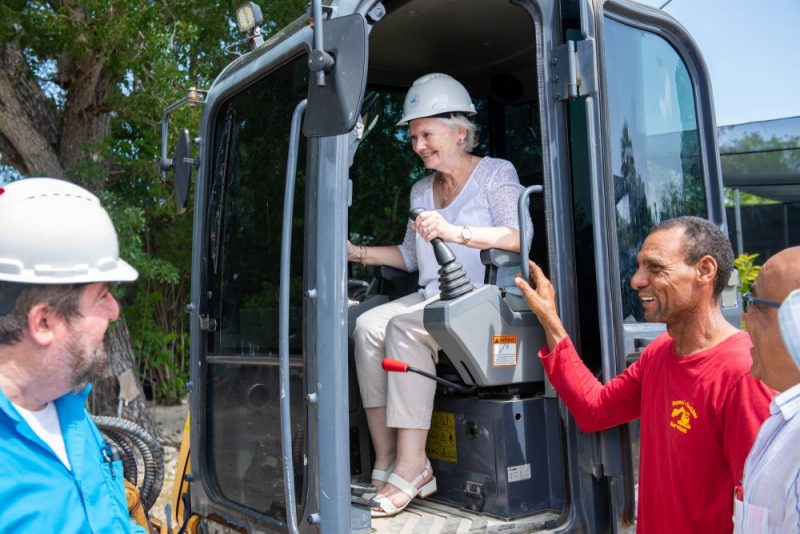
The groundbreaking ceremony took place on 10 August at the Blue Iguana Conservation facility within the Queen Elizabeth II Botanic Park.
The new 1,200-square-foot building is modelled on a traditional Caymanian dwelling once belonging to the Roland Bodden family.
It will house a medical examination laboratory, research and data collection space, incubators, an education room, and a collections room for the trust’s herbarium, insect collection, and archaeological artefacts.
Governor Jane Owen officially commenced the groundbreaking, according to a National Trust press release on 11 August.
“As patron of the National Trust for the Cayman Islands, I am delighted to be part of this significant milestone,” she said.
“The groundbreaking of the new Blue Iguana Conservation facility marks an important step forward for one of Cayman’s most iconic species and reflects our shared commitment to protecting our unique natural heritage.”
Wheaton Precious Metals, alongside other private donors, has provided the funding required to proceed with construction.
Governor Owen, Premier André Ebanks and Wheaton representatives visited the National Trust’s Dart Park office last week to view the first blue iguana hatchlings of the current season.
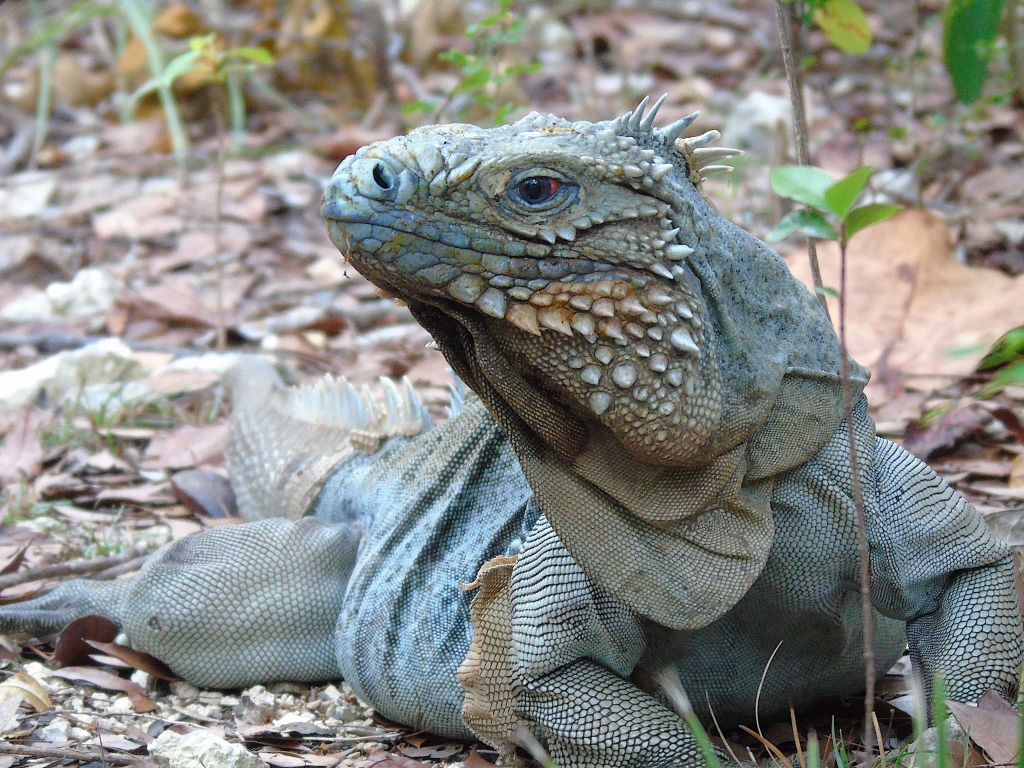
The blue iguana, classified as endangered and found exclusively in Grand Cayman, sits at the centre of one of the islands’ most prominent conservation programmes.
The species is deeply embedded in Cayman’s national identity and features in its broader efforts to maintain biodiversity credentials.
The new facility will expand the programme’s educational reach, offering structured learning placements for school groups, interns, and veterinary students.
The National Trust describes the opportunity as unique in the region, given that participants work directly with a species that exists nowhere else in the world.
