


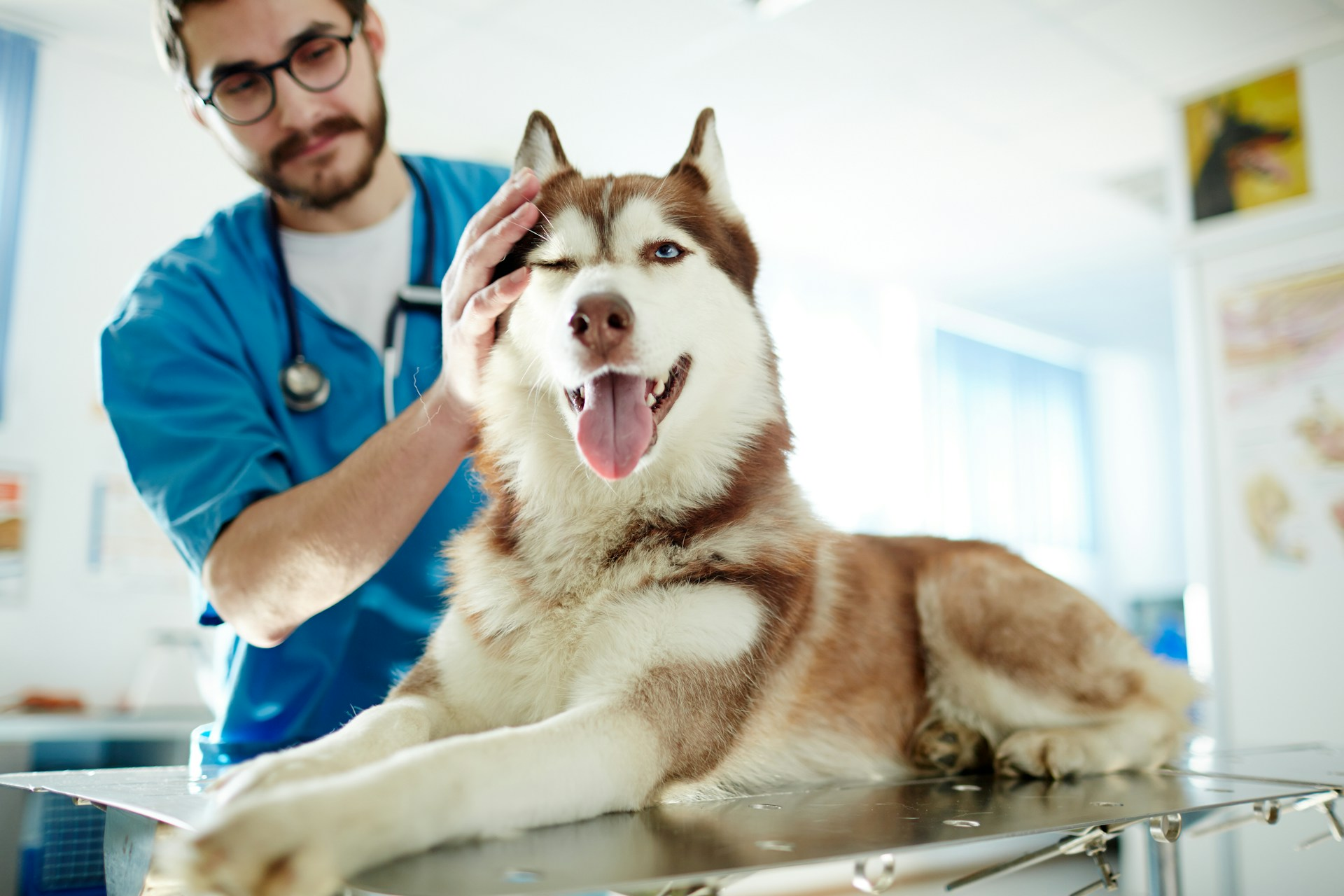
The Department of Agriculture will end government-operated rabies vaccination services for cats and dogs on 1 January 2027, transferring responsibility for the service to accredited private veterinarians.
Until 31 December, pet owners can continue using the department’s Rabies Vaccination Clinic or seek vaccinations from private veterinarians who have completed the department’s accreditation requirements.
Accredited veterinarians can begin providing the service as soon as they receive accreditation, ahead of the government clinic’s closure.
The department will publish a list of accredited veterinary practices on its website before the transition takes effect.
In a press release on 8 October, agriculture minister Jay Ebanks said: “Our priority is to ensure pet owners continue to have reliable access to rabies vaccinations as these services transition to accredited private veterinarians.
“The Department of Agriculture will continue to provide the oversight needed to protect animal health across the Cayman Islands.”
Private veterinary practices will set their own fees for rabies vaccinations, with no government-set price for the service.
The department said vaccination certificates already issued by its clinic will remain valid for their stated periods.
The change will apply across Cayman, although the Department of Agriculture will continue providing rabies vaccinations to pets in the Sister Islands where no veterinarian is available.
The transition will also affect documentation for pets travelling overseas.
From 1 January 2027, only accredited veterinarians will be permitted to complete pet health certificates, including the required health assessment, before the documents are submitted to the department for the relevant export permit.
Health certificates completed by veterinarians who have not received accreditation will continue to be accepted through 31 December.
The department will retain responsibility for regulatory guidance and oversight through its veterinary services and import and export functions.
Accreditation training sessions were held on 18 June, 2 July, 2 and 23 September, with veterinarians who met the requirements receiving accreditation certificates.
A further in-person session is scheduled for 18 November for veterinarians who have yet to complete the process.
Accreditation is valid for two years, subject to continued compliance with the requirements.
The period applies to the veterinarian’s accreditation, not to the validity of individual rabies vaccination or pet health certificates.
Wilbur Welcome, director of the Department of Agriculture, said: “The department is working closely with local veterinarians to ensure a smooth transition and continuity of service for pet owners.
“Accredited veterinarians can begin providing rabies vaccinations once they have completed the accreditation requirements, while the DoA will continue to oversee the applicable animal health and export requirements.”
