


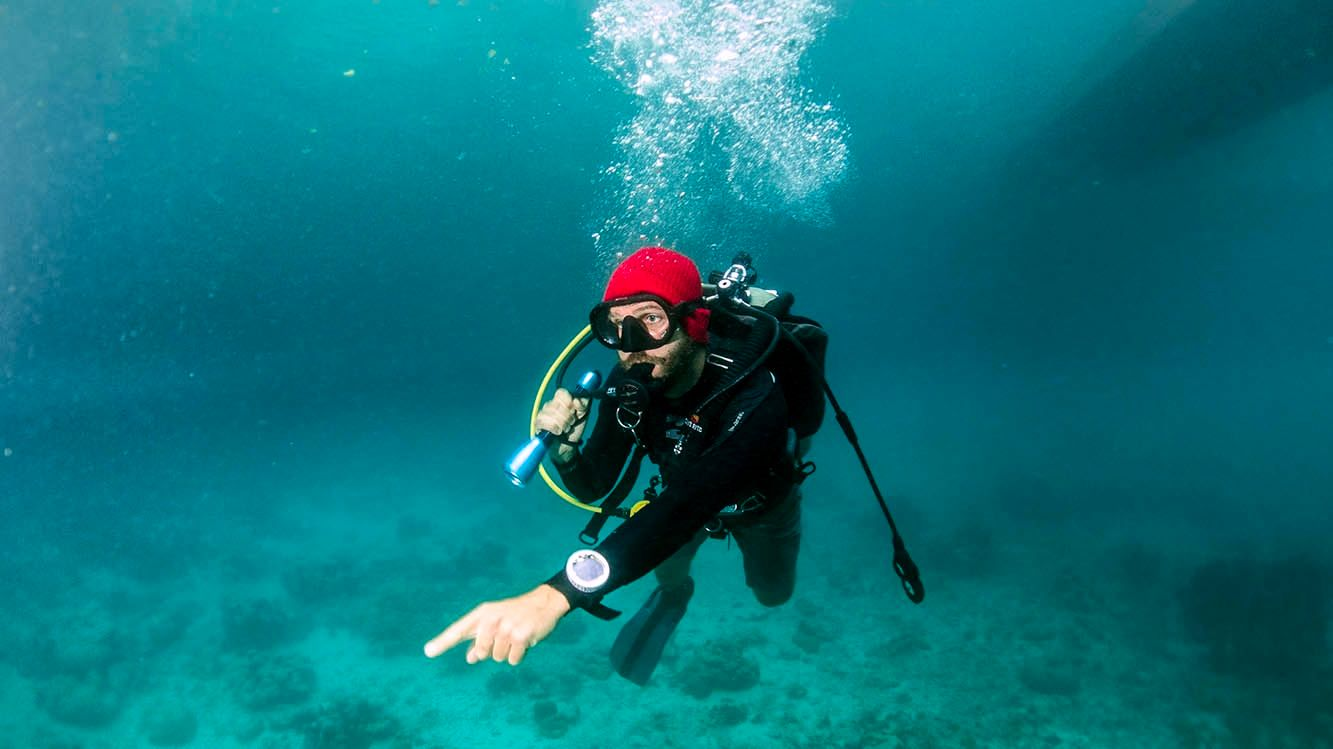
The Central Caribbean Marine Institute (CCMI) has appointed marine ecologist Dr George Roff as its new director of science.
He will lead a new research strategy aimed at increasing the impact of CCMI’s work across the Caribbean.
Roff brings more than 20 years of experience in marine ecology and coral reef research to the organisation, which is based in Little Cayman.
Before joining CCMI, he held senior research positions at the University of Queensland and CSIRO in Australia, where he led coral reef surveys and restoration research programmes on the Great Barrier Reef and across the wider Indo-Pacific.
He has undertaken more than 75 research expeditions across the Caribbean, Pacific and Indian Oceans and has published more than 80 scientific papers.
At CCMI, Roff will lead the development of a new science and research strategy that builds on the institute’s foundation of long-term reef research, while creating greater impact locally, regionally and internationally.
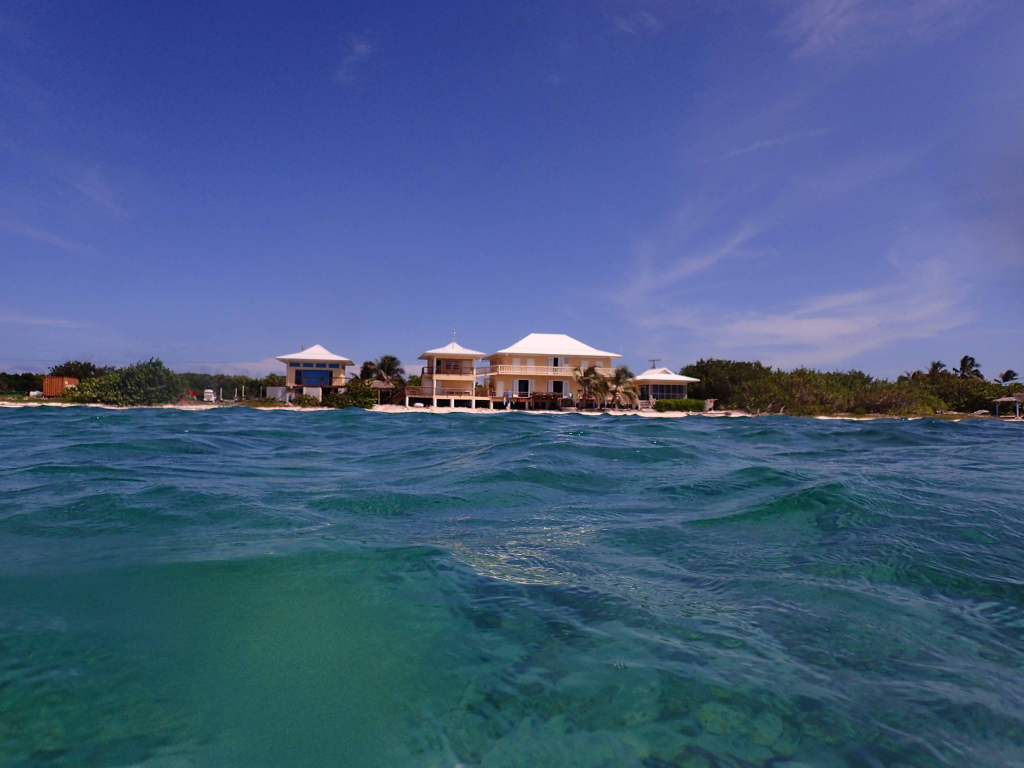
“CCMI has an extraordinary scientific foundation, particularly its 28-year record of monitoring Caribbean reefs from Little Cayman,” Roff said in a press release.
“Our opportunity now is to build on that foundation – to move beyond documenting what is happening to Caribbean reef and to use that knowledge to better understand, predict, and shape what happens next.”
CCMI’s new research direction will focus on three areas: Future Caribbean Reefs, Ecosystem Regeneration, and Biodiversity and Discovery.
The programmes will examine how Caribbean reefs are changing and why some reefs and corals are more resilient than others, investigate ways to restore degraded reef ecosystems, and expand understanding of marine biodiversity.
The institute said it also aims to translate its research into practical tools, management approaches, training and decision-making, with successful approaches shared across the Caribbean.
CCMI CEO Kate Holden said Roff’s appointment will help the organisation widen its regional impact.
“George’s leadership gives us an opportunity to expand our capacity to empower local communities, to build resilient reefs for the future by shifting our focus to regional impact, in addition to delivering ground-breaking science and education,” she said.
Roff said Little Cayman’s long-term scientific record and relatively low local human pressures provided a valuable research setting.
“That makes the island more than just a place where research happens; it makes a platform for asking questions that have relevance across the Caribbean,” he said.
CCMI said its research will build on existing programmes including its Healthy Reefs monitoring programme, coral restoration research, blue carbon research, and studies of reef ecology and biodiversity.
The institute said the work is increasingly urgent as Caribbean reefs face rising ocean temperatures, coral bleaching, disease and other climate-related pressures.
