


The Cayman Islands’ first dedicated national framework for public and affordable housing, outlining 98 actionable recommendations across 10 areas, has been tabled in parliament.
The ‘Public and affordable housing policy and 10-year strategic plan’ suggests the creation of a new housing authority, empowered to acquire land and advance construction efforts.
It also recommends streamlining permits, establishing a statutory timeline, increasing capacity through the pre-approved house plans, and fast-tracking affordable housing projects.
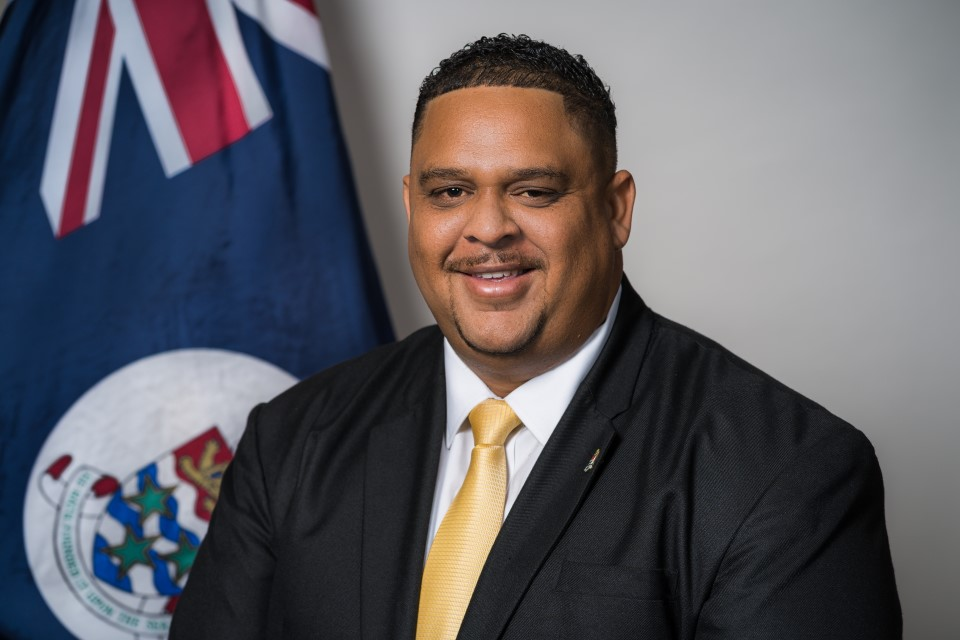
Housing minister Jay Ebanks told parliament on 29 April that the work leading up to the policy was “one of the most extensive social consultation exercises ever undertaken” in Cayman.
He said it involved more than 1,000 residents across all three islands, 120 plus key-informant interviews, and 1,216 survey responses.
“They spoke openly about rising rents, overcrowded homes and the growing fear that home ownership was slipping further and further out of their reach. Their fears were real,” Ebanks said.
Recommendations in the 376-page document are organised into immediate-, medium- and long-term goals.
In the immediate term, the priority is making it quicker, easier and cheaper to build more housing.
In the medium term, the focus shifts to addressing underlying supply and demand challenges, including intersectional planning across infrastructure, transport and social services.
In the longer term, the goal is economic diversification to create more high-paying jobs for Caymanians.
One of the medium-term goals would be reforming stamp duty, including increasing the purchase-price limit for first-time buyers who qualify for an exemption.
The policy recommendations suggest allowing buyers who earn less than the median income to pay stamp duty over a number of years, rather than as a lump sum.
The policy also suggests measures to curb the impact of real estate speculation on the housing market, including charging fees on vacant land to limit property speculation and regulating the short-term rental market.
Ebanks said Cayman will need 5,000 additional housing units within the next 15 years to meet the public need.
“To close this gap, we must triple affordable construction for the next decade and double it again after that. These are not abstract predictions,” he said.
