


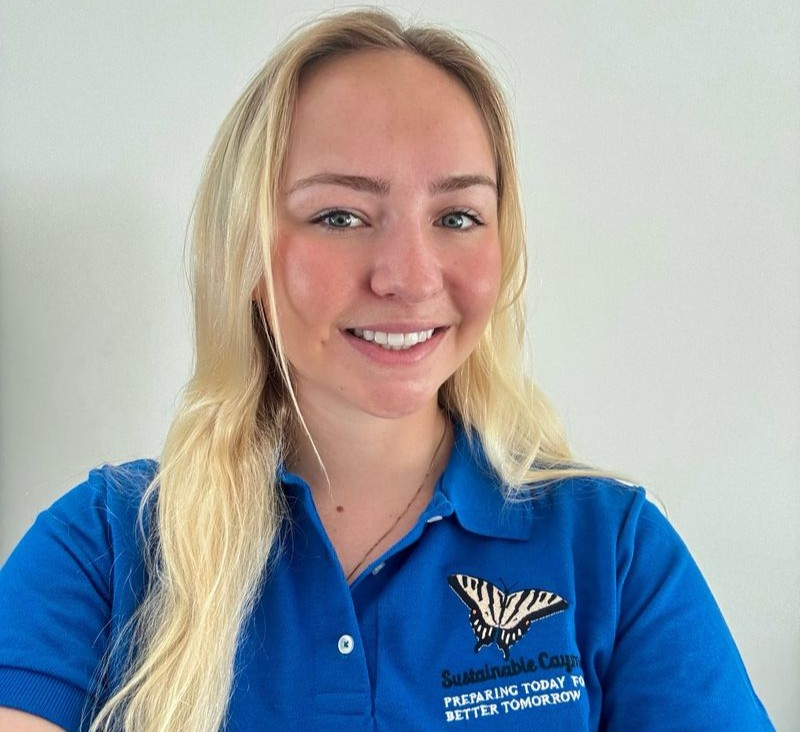
Sustainable Cayman has appointed environmental researcher and Olympian Charlotte Webster to lead a three-year climate resilience programme.
The project will be focused on Grand Cayman’s Central Mangrove Wetland, according to a 2 November press release from the non-profit.
Webster will carry out the climate resilience work as she continues her training as a top-ranked sailor, in hopes of qualifying for a second Olympic Games.
The programme, supported by the John Ellerman Foundation in partnership with the Royal Society for the Protection of Birds (RSPB), will build on the RSPB’s technical expertise to strengthen local capacity for environmental decision-making.
“Protecting the Central Mangrove Wetland is not simply about conserving an area of mangroves,” Webster said in the press release.
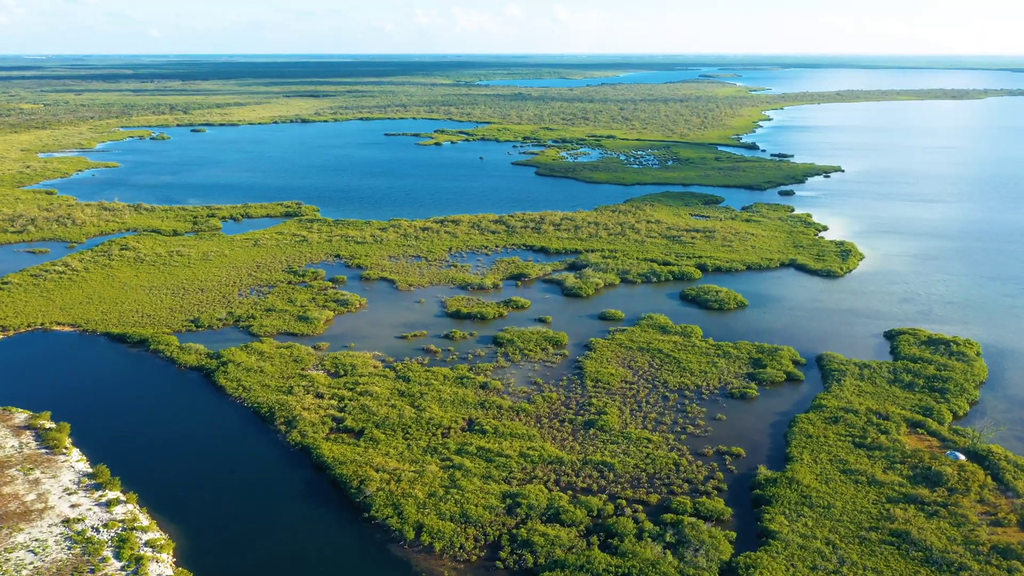
“It is about understanding the natural systems that help protect Grand Cayman and ensuring that knowledge informs decisions about our island’s future.”
Webster, named climate resilience programme lead and ambassador, is assessing the wetland’s climate resilience, compiling existing research, and identifying priorities for further investigation and protection.
She will also work with researchers, conservation organisations, public agencies and the wider community to share findings and develop practical recommendations.
Webster represented Cayman in sailing at the 2024 Olympic Games in Paris and is working to qualify for another.
Sustainable Cayman said it will support her Olympic ambition through flexible working arrangements.
“Her international sporting profile also provides an opportunity to share Cayman’s environmental story beyond our shores, raising awareness of the islands’ natural heritage, climate resilience challenges and conservation efforts with a global audience,” Sustainable Cayman said.
Academically, Webster has dedicated herself to environmental research.
As an undergraduate, she examined how legal protection influences mangrove resilience in Grand Cayman, using satellite vegetation data and time-series analysis to compare protected and unprotected areas.
Her master’s thesis explored public support for mangrove protection through surveys and interviews across Cayman.
“Charlotte brings a valuable combination of specialist research knowledge, an established understanding of the Central Mangrove Wetland and a genuine commitment to Cayman’s natural environment,” Sustainable Cayman said.
“Having someone with master’s level research experience focused directly on our own mangrove ecosystems is a significant benefit.
“We want that knowledge to be accessible, not confined to academic papers, so it can help inform how Cayman plans for development, manages flood risk and protects its natural heritage.”
