


In the coming weeks, the Cayman Islands Government is expected to receive its first policy guidance on the implementation of artificial intelligence technology.
The document is based on extensive global and local research by the National Digital Transformation Strategy Task Force, launched last year.
But even without this guidance in hand, the government is already in the early adoption phase of the technology, exploring avenues for automation and opportunities for staff education.
One department which is beginning to explore applications to assist its operations is Internal Audit Services, which assesses government controls, compliance and risk.
“We are dabbling a lot more in AI,” director Nathan Paget recently told Radio Cayman.
“There will still be a need for somebody to assure that the AI algorithm and process is working correctly – and Internal Audit has a role in that.”
In the Ministry of Finance and Economic Development, robotic processing automation – an AI-adjacent technology – was used last year to support budget preparation by automating repetitive, rules-based tasks.
The goal is to allow staff to spend more time analysing information and less time processing it.
Speaking in parliament on 1 May, MP Roy Tatum referred to a recent workshop, part of the 74th Westminster Seminar on Effective Parliaments, about applications for lawmakers “to improve efficiency and support legislative work”.
These developments are unfolding ahead of what could be a landmark moment for tech policy, as the government’s digital task force – comprising private sector experts – nears completion of its guidelines.
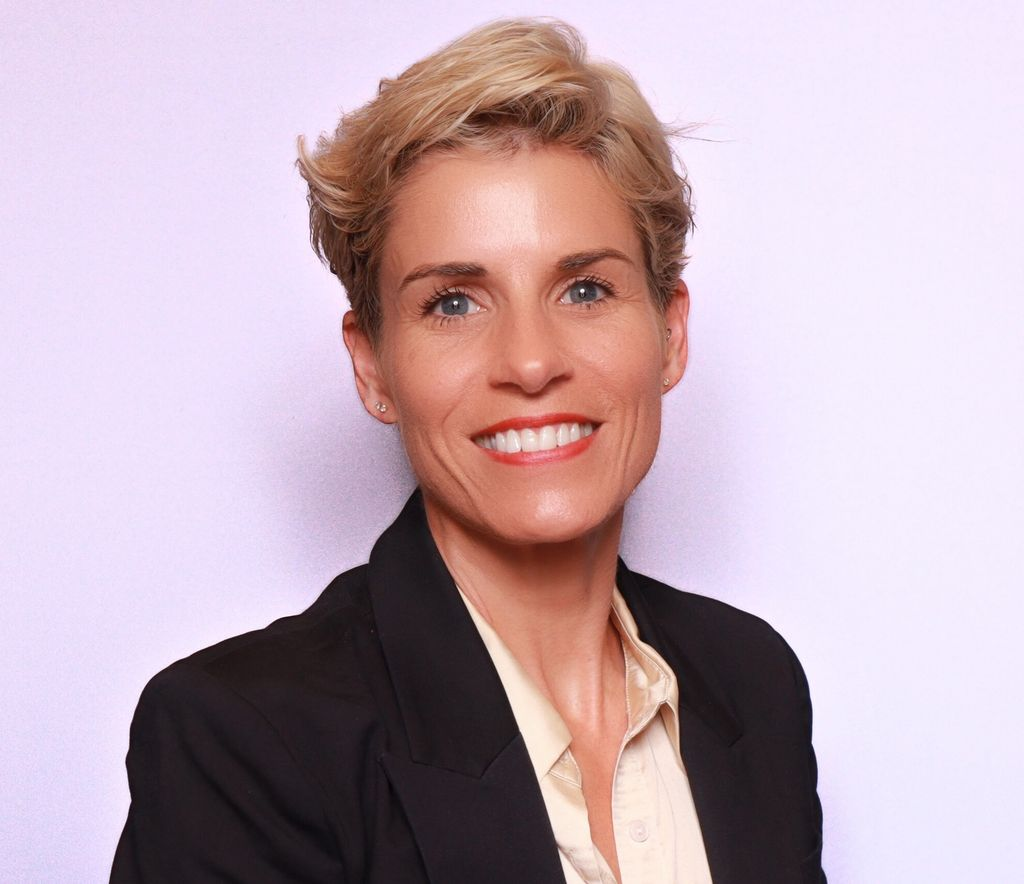
Tamsin Deasey-Weinstein, who leads the artificial intelligence strand of the task force, has been in conversations with governments and tech professionals across the globe, from the UK to Estonia to Singapore, to guide the path forward for Cayman.
She sees a government eager to leverage the technology to its advantage.
“The biggest thing that I took from all of the internal meetings we’ve had with [the Cayman Islands] government is that they are fully on board, and my belief is that they want it to happen,” she told Cayman Independent.
“Whilst there are certain pockets of government already taking it on board, they want to make sure that everybody has equal opportunity.”
Deasey-Weinstein sees an opportunity not only to address skills gaps in areas like healthcare and education, but also to attract new areas of business to Cayman.
“One of the big things that we are going to be recommending is whether we legislate or not, whether we put in stringent rules and governance around AI,” she said, explaining that these decisions will have implications for tech businesses and where they choose to do business.
“We’re very aware that the decisions or the recommendations that we put forward, and, therefore, the decisions that government makes, can massively impact the economy. So, we have to get it right.”
In government, with vast potential to automate everything from processing immigration applications to hurricane mapping, education will be vital to train a capable, forward-looking civil service, Deasey-Weinstein said.
“Education is one of the biggest focuses in the blueprint. Because if we can build a talent pipeline now, then we’re feeding the economy for years to come.”
Another key to establishing a sustainable path forward will be remembering the human element in guiding responsible tech applications, she said.
Drawing on examples from AI systems already being used to support high-stakes decision-making around the world, Deasey-Weinstein is clear that human oversight remains non-negotiable.
“It’s life changing. It’s absolutely amazing. But the crucial thing is that the human still makes the final decision,” she said.
“It doesn’t matter how great the system is – the human still takes the final responsibility for it.”
